

How to Repair Burst Pipes and Limit Water Damage
A pipe can release hundreds of gallons of water before anyone realizes there is a problem. Water spreading through a wall, ceiling, equipment room, or occupied unit can quickly turn a plumbing repair into a restoration project. Knowing how professionals repair burst pipes - and what to do in the first few minutes - helps protect your property, belongings, and operations.
For homeowners, property managers, and business owners, the priority is simple: stop the water safely, limit damage, and have the failed section repaired correctly. A temporary patch may slow a leak, but it does not address the condition that caused the pipe to fail.
What to Do Immediately When a Pipe Bursts
Start by shutting off the water supply. For a single fixture or appliance, the nearby angle stop valve may be enough. If water is coming from a wall, ceiling, or unknown location, turn off the main water valve to the building. Every homeowner and facility manager should know where that valve is located before an emergency occurs.
If water is near electrical outlets, panels, appliances, or equipment, do not enter standing water or touch electrical components. Turn off power only if it can be done safely from a dry location. Move furniture, inventory, and valuables away from the affected area if possible, then use towels, mops, or a wet vacuum to remove accessible water.
Avoid opening walls, cutting pipe, or attempting a permanent repair while water pressure is still active. A damaged pipe can be only one part of the issue. There may be hidden moisture, a second weak area, or pressure conditions that need to be corrected before service is restored.
Why Pipes Burst in South Florida Properties
Freezing temperatures cause many burst pipes in colder climates, but South Florida plumbing systems face different pressures. Corrosion, aging materials, high water pressure, shifting structures, poor past repairs, and failed fittings are common causes. A pipe may also split after damage from construction work, landscaping, fastener penetration, or an impact in a mechanical area.
Older galvanized or copper piping can weaken from the inside out. Small pinhole leaks sometimes appear before a larger failure, leaving stains on drywall, a musty odor, reduced water pressure, or unexplained water use. In some cases, the visible break is not the original problem. A failed connection may point to improper support, excessive vibration, thermal movement, or pressure spikes in the system.
Water heater connections, washing machine supply lines, ice maker lines, and plumbing under sinks are also frequent sources of sudden water damage. These are smaller lines, but they can still cause major problems when a building is vacant or the leak begins overnight.
How Professionals Repair Burst Pipes
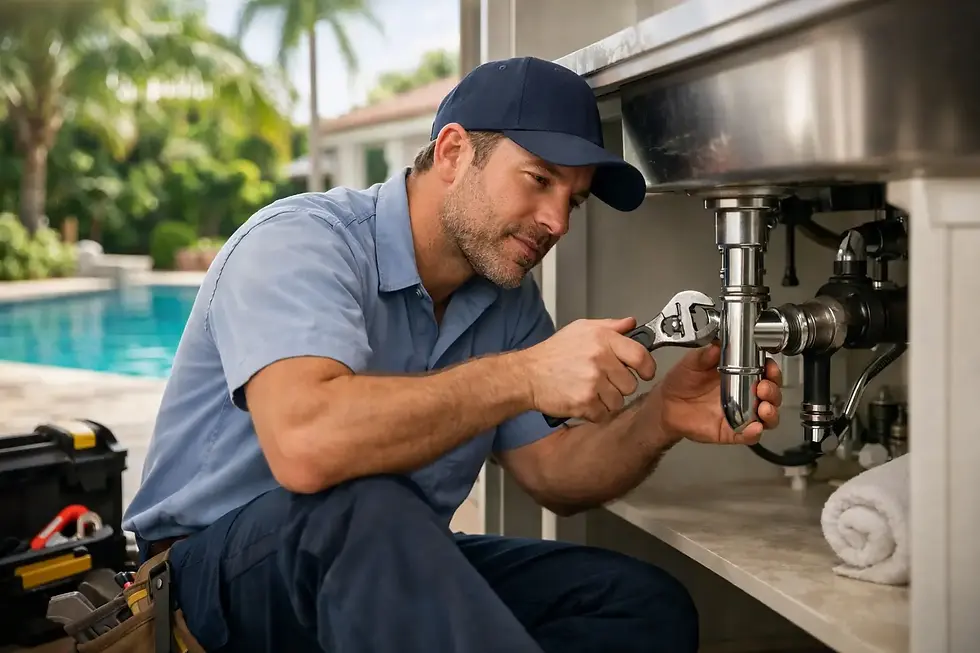
A proper repair begins with locating the source and assessing the affected plumbing. The technician will confirm that the water supply is isolated, inspect the visible failure, and determine whether nearby pipe sections are sound. For a hidden leak, access may be needed through drywall, ceilings, cabinetry, or exterior walls.
The damaged portion is usually cut out rather than simply covered. The replacement material must be compatible with the existing system and suitable for its purpose. Depending on the pipe type and location, that may involve copper, PVC, CPVC, PEX, or another approved material. The new section is secured with the correct fittings, supports, and connections.
Once the repair is complete, the line should be tested before walls are closed or finishes are restored. Testing verifies that the connection holds under pressure and that no additional leaks are present. A careful plumber also looks for the reason the pipe failed, especially when corrosion, poor workmanship, or repeated leaks are involved.
Temporary Repairs Have a Place, but Not as a Final Fix
Pipe repair clamps, epoxy products, rubber patches, and tape can be useful in a short emergency window when they help control water until service arrives. They are not a dependable long-term answer for a split, corroded, or deteriorated pipe. A patch can conceal the problem while water continues to travel behind walls or under flooring.
Temporary measures also create a false sense of security in commercial and multi-unit properties. If a line fails after business hours, a quick patch may keep operations moving briefly, but the system should still be inspected and repaired to code by a qualified professional.
When a Burst Pipe Requires Emergency Service
Any active leak that cannot be isolated at a local valve deserves immediate attention. So does water coming through a ceiling, water near electrical systems, a broken main line, or a leak affecting multiple units or critical business areas. In these situations, waiting until regular business hours can significantly increase damage and disruption.
Property managers should also treat recurring leaks as urgent, even if each leak appears small. Repeated failures in the same building can indicate widespread pipe deterioration or a pressure problem. Addressing the pattern early may prevent a larger flood, tenant displacement, mold concerns, or an unexpected shutdown.
For restaurants, retail spaces, offices, industrial facilities, and construction sites, a burst pipe can affect more than the plumbing system. It can interrupt sanitation, damage inventory, compromise finished work, and create slip hazards. Fast dispatch matters, but so does sending a plumber equipped to make a durable repair rather than only diagnose the issue.
Protecting the Property After the Plumbing Repair
Stopping the leak is the first milestone, not the last. Dry affected materials promptly. Wet drywall, insulation, flooring, cabinetry, and ceiling materials can retain moisture long after surface water is gone. Depending on the extent of the damage, professional drying and restoration support may be appropriate.
Document the incident with photos before damaged materials are removed, particularly for insurance purposes. Note when the leak was discovered, what areas were affected, and what actions were taken. For commercial properties and managed communities, clear documentation also helps maintenance teams track recurring problems and plan future repairs.
Do not restore drywall or cabinetry until the repaired line has been tested and the surrounding area has been evaluated for moisture. Closing a wet wall too soon can create a more expensive problem later.
Preventing the Next Pipe Failure
Prevention depends on the age and condition of the system. A newer home with one damaged supply line may only need a targeted repair. An older property with repeated pinhole leaks may need a more detailed evaluation of the plumbing materials, water pressure, and the condition of similar lines throughout the building.
Regular inspections are especially useful before remodeling, after a water damage event, or when water bills rise without explanation. Camera inspections can help evaluate drain and sewer lines, while pressure testing and visual plumbing assessments can identify supply-side concerns. Replacing worn appliance hoses, correcting unsupported piping, and servicing aging shutoff valves are practical steps that reduce risk.
For commercial and industrial facilities, maintenance planning is often more cost-effective than responding to repeated emergencies. A plumbing partner who understands the building, its equipment, and its operating needs can help schedule repairs around tenants, customers, production, or construction timelines.
Choose a Repair That Addresses the Cause
The right repair is not always the fastest-looking repair. Replacing one broken section may be sufficient when the surrounding pipe is in good condition. If the system shows widespread corrosion, multiple weak fittings, or chronic pressure issues, a larger repair may be the more responsible investment.
Ringemann Plumbing Inc. provides 24/7 emergency plumbing support for properties across South Florida, with stocked service vehicles and qualified technicians prepared to respond when water cannot wait. The goal is to stop the immediate problem, identify what caused it, and complete work that supports the long-term condition of the property.
A burst pipe does not become less serious by waiting for a convenient time. Shut off the water, protect the area, and arrange for a qualified inspection as soon as possible. Quick action limits damage, while a proper repair gives your plumbing system a better chance of staying reliable.


Comments